Tree Removal Metairie: Understanding Crane-Assisted Tree Work
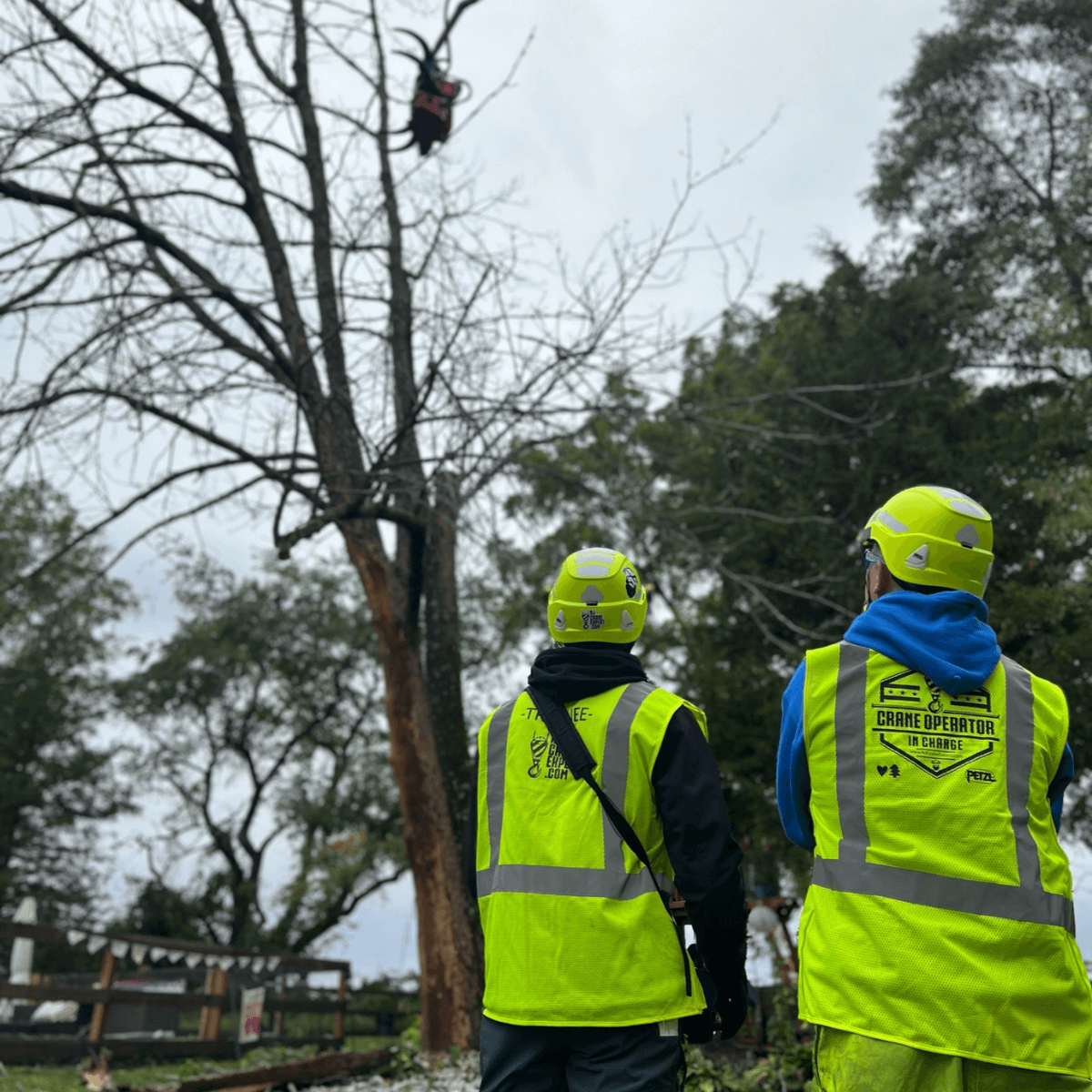


Tree work looks simple from the street until you stand under a damaged live oak and study the weight distribution. A branch that seems manageable can carry several thousand pounds. A trunk over a roofline may have no safe drop zone at all. Add tight property lines, utility service, fences, patios, and New Orleans area weather patterns, and the job changes fast from routine pruning to a highly controlled rigging operation.
That is where crane-assisted removals enter the picture. In Metairie, they are not rare specialty jobs reserved for only the largest estates. They are often the safest and most efficient option for mature trees in compact neighborhoods, especially after storms, root failure, decay, or construction conflicts. Homeowners searching for tree removal Metairie services are usually focused on one thing at first: getting a dangerous tree down without damaging the house. The crane is one of the best tools for doing exactly that, but only when it is used by the right crew, under the right conditions, with a clear plan.
Crane-assisted tree work is not just “using a crane to pick up wood.” It is a coordinated operation involving inspection, weight estimation, lift planning, communication signals, cutting sequence, ground protection, and constant adjustment. A good crew makes it look calm. That calm is earned before the first cut.
Why crane-assisted removal is common in Metairie
Metairie has the kind of built environment that makes conventional felling difficult. Many lots are established and closely arranged. Trees often mature long after a house, driveway, pool, or accessory structure has been built around them. A species that had enough room at planting can outgrow the site in twenty or thirty years. By then, the canopy may extend over the roof on one side and the neighbor’s fence on the other.
The local tree mix matters too. Large oaks, pines, and broad-canopied shade trees can develop very heavy lateral limbs. Some hold hidden decay for years. Others suffer storm cracking that is not obvious from the ground. It is common to see trees with codominant stems, long overextended limbs, or root zone disturbance from drainage work and paving. In a place where the water table and soil conditions can complicate root anchoring, a tree may stand upright for years and still be compromised.
A crane becomes valuable when there is no clean landing area for wood, when the tree is too unstable to climb conventionally, or when minimizing impact to the landscape matters. Instead of dropping sections into the yard and dragging them out, the crew can detach pre-cut sections and lift them directly to a controlled landing zone, often onto a truck or designated work area. That approach reduces shock loads on the remaining tree, lowers the chance of collateral damage, and often shortens the total project time.
What a crane actually changes on the job
The biggest shift is control. In standard removals, gravity does much of the work. The climber cuts sections that are either rigged down or dropped into a safe area. In crane work, the crane shares the load before the final cut. The wood is attached to the crane’s hook through slings or specialized rigging, tension is applied, and the operator supports the piece so it can be separated and moved with much less swing and bounce.
That sounds straightforward, but there is judgment packed into every step. If the crew underestimates the weight, the pick may overload the planned radius. If they overestimate and tie too close to the balance point, the section can tip in an awkward direction when released. If the cut is made too aggressively, fiber can tear and create a sudden movement. If the crane is placed poorly, the operator may be forced into long reaches that reduce lifting capacity.
On a good day, the process feels almost surgical. The climber installs rigging high enough to keep the section stable. The operator takes just enough weight to hold the piece. The climber makes a precise cut, watches the kerf, reads the movement, and frees the wood cleanly. Then the operator swings the piece along a preplanned path while the ground crew guides the tag line and keeps the landing area clear. The piece is set down, detached, and processed. Then the sequence repeats, sometimes dozens of times.
When a crane is the safer choice
Not every tree requires a crane, and good companies do not recommend one automatically. A crane adds cost and logistics, so there should be a real reason for it. In my experience, the strongest case for crane-assisted work usually comes down to hazard reduction rather than convenience.
One common example is a storm-damaged tree with a split trunk leaning over a residence. Climbing a tree like that can expose the climber to movement in the failure zone. Traditional rigging may also introduce extra dynamic loads into a structure that is already compromised. A crane allows the crew to remove weight from the damaged section early in the process, which can make the rest of the operation far more stable.
Another example is a large backyard oak with no practical access for dropping wood. If the only options are to rig every piece through a maze of limbs and lower it over decorative hardscape, the labor adds up quickly and the risk of accidental impact rises. A crane may complete the job in a fraction of the time with less wear on the lawn, less handling of debris, and fewer opportunities for mistakes.
Sometimes the deciding factor is simply size. Once limbs become massive enough that manual rigging would require repeated complex lowers, high friction loads, and extensive setup, a crane can remove those pieces with more predictable forces. Predictable forces are the foundation of safe tree work.
The planning phase homeowners rarely see
The best crane removals are won before the truck arrives. A proper site visit should cover more than the tree itself. The company should look at access routes, overhead wires, soil firmness, driveway strength, nearby structures, underground concerns if outriggers will be placed near utilities, and whether neighboring property will be affected.
Weight estimation is part science, part field experience. Arborists and crane operators consider species, wood moisture, section dimensions, and defect patterns. A decayed section may weigh less overall but behave less predictably. A green water oak limb can be shockingly heavy for its size. Experienced crews cut pieces conservatively when uncertainty is high. That usually means more picks, smaller sections, and a slower pace, which is exactly what you want if the tree is compromised.
Placement of the crane is another big variable. Homeowners often assume the crane can simply park in the street and reach everything. Sometimes that works. Often it does not. Lift capacity decreases as the boom extends farther from the crane. The farther the reach, the less the machine can safely lift. A tree that looks close from the curb may demand a setup in the driveway or side yard to keep picks within workable limits. That can require mats for ground protection, temporary access changes, and advance coordination with the homeowner.
Communication planning matters too. Once the operation starts, the climber and operator must work as a team. Hand signals, radio communication, and a shared understanding of the cut sequence keep the pace smooth and safe. A rushed job tends to get noisy and disorganized. A disciplined crew speaks clearly and moves deliberately.
How the day usually unfolds
On the morning of the job, the site is staged before cutting begins. Trucks are positioned, the crane is leveled, outriggers are set, and the crew secures work zones. If there is any concern about public access, foot traffic, or vehicles entering the area, that is addressed early. A good foreman will walk the homeowner through what to expect, including where debris will be processed and where equipment will travel.
The climber may access the tree in the usual way or, depending on the situation, work from an aerial lift if access allows and the tree condition supports it. Once aloft, the climber installs the first set of slings and confirms the angle of the pick. The operator applies tension. Then comes the cut, typically made to preserve control over the final separation rather than to “speed through” the wood. You can often tell a seasoned climber by how little unnecessary movement occurs at release.
The first few picks are especially important. They reveal how the tree is responding, how accurate the weight assumptions were, and whether the intended workflow should change. If the sections are balancing exactly as expected, the crew may continue at that size. If not, they downsize the picks. That is not hesitation. It is professionalism.
Ground crews are doing more than feeding the chipper. They are controlling tag lines, managing landing areas, cutting lifted pieces into processable lengths, and watching for hazards the climber cannot see. On larger removals, one of the most valuable people on site is often the crew member who says very little but catches every small developing problem before it matters.
What can make a crane removal more complicated
The public image of crane work is often a huge machine lifting huge wood, but the difficulty usually comes from constraints rather than scale. A moderately sized tree can become a technically demanding crane job if access is poor or if the tree is intertwined with structures.
Backyard pools create one kind of challenge. Decorative walls, pavers, and screened enclosures limit equipment access and reduce tolerance for dropped material. Another complication is soft or saturated ground. South Louisiana conditions can make turf and subsurface support unpredictable, especially after rain. Outrigger loads are substantial, and proper matting is not optional when the ground will not support direct loading.
Tree defects can also complicate picks. Cracked unions, hollow stems, and dead tops change how wood reacts under tension. If the crane takes too much weight on a decayed section, the attachment area itself can fail unexpectedly. In those cases, the crew may use smaller picks, alternate tie-in methods, or remove adjacent wood first to expose a better rigging point.
Wind deserves respect too. Light air movement is manageable. Gusty conditions are not. A suspended section acts like a sail, especially leafy canopy pieces. If the weather starts pushing picks around, the job may slow down or stop. Homeowners sometimes find that frustrating, but postponing a difficult pick in unstable wind is one of the smartest decisions a crew can make.
Cost, value, and why the cheapest bid can be misleading
Crane-assisted tree removal usually costs more than a straightforward removal, but the comparison can be deceptive. A homeowner may get one low bid from a crew planning to chunk wood into the yard and another higher bid that includes a crane, mats, traffic control, and a full day of coordinated work. The numbers are not measuring the same approach.
The cost reflects equipment, operator time, insurance burden, crew skill, and job complexity. It also reflects risk transfer. When a company brings a crane to remove a tree over your roof, you are paying for a method designed to reduce the chance of a very expensive mistake. That has value even if the finished yard looks the same.
There are practical reasons a crane can sometimes save money despite the rental or operating cost. Faster removals mean lower labor hours. Direct A Perfect Cut Tree Service tree removal metairie lifting reduces repeated rope rigging. Less dragging can mean less lawn repair. A tree that would take two long days by conventional methods may be gone in one with a crane. On the other hand, small or accessible trees do not benefit much from that approach, so pushing a crane where it is unnecessary should raise questions.
If you are comparing proposals for tree removal Metairie work, ask what method each company plans to use and why. The details matter more than the headline price.
Questions worth asking before you approve the job
A homeowner does not need to understand every technical nuance, but a few practical questions can reveal a lot about how a company operates.
Ask whether the company expects to use a crane because the tree requires it for safety, because it improves efficiency, or both. Ask where the crane will be set up and whether the lawn or driveway needs protection. Ask how debris will be removed and whether stump grinding is included or separate. It is also reasonable to ask who is responsible if access restrictions force a change in the plan after the job begins.
Insurance and qualifications matter here in a real way, not as a box-checking exercise. Tree work and crane work are both high-exposure operations. A reputable company tree removal metairie should be comfortable discussing coverage, supervision, and who will be operating the crane. You do not need a sales pitch. You need clear answers.
It is also smart to ask whether utility lines are involved. If branches are near service drops or primary lines, the removal plan may need coordination with the utility. No serious contractor should minimize that issue.
A brief word about permits and neighborhood realities
Local requirements can vary, and homeowners should never assume all tree removals are paperwork-free. Depending on the municipality, the species, the size, and whether the tree is in a regulated area, there may be notification or permit considerations. A contractor familiar with Metairie jobs should know when to flag that early. Even when permits are not required, neighborhood logistics often are.
Street parking can affect crane placement. Narrow roads may require temporary traffic management. Nearby cars may need to be moved. Gates may need to be removed for access. In older neighborhoods, these little logistical details decide whether the day runs smoothly or turns into a delay-filled headache.
The companies that do this work well are usually the ones that think through those realities in advance. They are not improvising when the crane arrives. They have already mapped the pressure points.
What homeowners can do before the crew arrives
Preparation does not need to be elaborate, but it helps. Clear vehicles from the driveway and street frontage if requested. Move patio furniture, planters, or fragile yard items away from the work zone. Keep pets indoors. Let neighbors know there will be noise and equipment. If you have irrigation heads or septic concerns near likely equipment paths, mention them before the crew sets mats or drives in.
What helps most is a simple conversation the day before the job. Confirm arrival time, access points, expected duration, and whether anyone needs to be home. Ask where the crew would prefer to stack firewood if you want to keep some. Small clarifications prevent a lot of confusion.
Misconceptions about crane work
One misconception is that cranes make tree removal easy. They do not. They make certain difficult removals safer and more controlled, provided the crew is skilled. Another is that bigger machines always mean better service. In reality, matching the crane to the site is part of the expertise. An oversized machine may create access problems. An undersized one may force risky long-radius picks or repeated repositioning.
There is also a persistent belief that if a tree is still standing, it is safe enough to climb and dismantle traditionally. That is not always true. I have seen trees that looked stable from the ground but had severe internal decay around key unions. Once the climber exposed the wood, the reason for the crane became obvious. By then, the homeowner usually understood why the estimate read the way it did.
After the tree is down
Removal is only part of the story. Stump treatment, site restoration, and the future of the landscape deserve attention. In many yards, taking out a mature tree changes drainage, sunlight, and traffic flow. Turf that struggled in deep shade may thrive. On the other hand, areas once protected from afternoon sun can heat up significantly.
If the tree was lost to disease, root failure, or storm damage, the replacement decision should be made carefully. A new tree planted in the same general area may be a good long-term choice, but species selection and placement should fit the available space better than the original did. Too many removal jobs are the delayed consequence of a poor planting decision made decades earlier.
Wood disposal is another practical issue. Some homeowners like to keep logs for firewood or milling, especially if the trunk is sound and of decent size. That can be arranged, but it should be discussed ahead of time. Otherwise, most crews will process and remove material as part of the cleanup. A well-run crane removal should leave the property looking surprisingly tidy for the amount of wood that came out.
Choosing experience over spectacle
Crane-assisted tree work can look dramatic, and there is no denying the visual impact of a giant limb floating over a house under full control. But spectacle is not the point. The point is measured force, deliberate planning, and reducing avoidable risk.
For homeowners in need of tree removal Metairie services, that distinction matters. The right company will not sell the crane as a showpiece. They will explain why it fits the site, how it changes the risk profile, and what trade-offs come with using it. Sometimes the best answer is a crane. Sometimes it is not. Good judgment is knowing the difference.
If you are facing a large, damaged, or poorly located tree, the best next step is not to guess from the ground. Have it evaluated by a qualified team that understands both arboriculture and lift planning. A proper assessment can tell you whether the tree can be pruned, stabilized, monitored, or removed, and whether crane assistance turns a hazardous job into a controlled one. In a place like Metairie, where space is tight and trees often grow bigger than their surroundings, that kind of judgment is worth far more than a quick quote.
A Perfect Cut Tree Service
4725 Shores Dr, Metairie, LA 70006
+1 504-732-0779
FAQ About tree removal metairie
What is the average cost of tree removal in my area?
There is no single price that fits every tree. Size, condition, access, nearby structures, equipment, debris hauling and stump work affect the estimate. Request a written, site-specific quote that identifies what is included.
Who will remove trees for free?
Free removal is not generally available for ordinary private-property tree work. Utilities or public agencies may handle trees within their responsibilities. Confirm eligibility directly and do not assume that an offer or assistance program covers your tree.
Can I just cut down a tree in my yard?
Check ownership, location and local requirements first. Jefferson Parish requires a permit for removal of qualifying vegetation in the public right-of-way, and additional protections may apply in designated areas. Ask the parish about your property and have a qualified tree professional assess the work.